
Inside the Latest US-China Tariff Talks: What to Expect Next
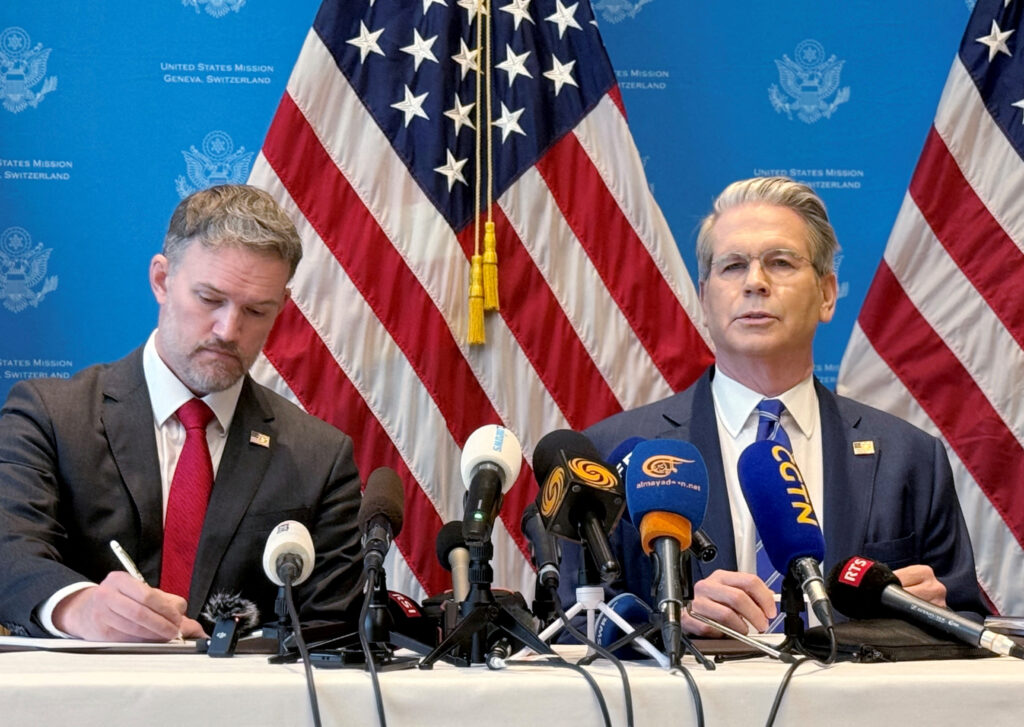
Inside the Latest US-China Tariff Talks: What to Expect Next after years of tense back-and-forth, high-stakes posturing, and tit-for-tat retaliations, the winds of trade diplomacy between Washington and Beijing are shifting once again. As the latest round of US-China tariff negotiations unfolds, analysts, businesses, and governments around the world are watching closely—not only to understand where the talks are headed, but what ripple effects might soon spread across the global economy.
For nearly a decade, the relationship between the United States and China has been defined by economic brinkmanship. The tariff war, originally set in motion under President Donald Trump’s administration, catalyzed a cycle of punitive measures on billions of dollars’ worth of goods. While the aim was ostensibly to correct imbalances, rein in intellectual property theft, and protect American manufacturing, the fallout has extended far beyond these goals. And now, with diplomatic overtures underway once more, the question is whether the two superpowers can finally recalibrate their commercial relationship—or if history is doomed to repeat itself.
Trade Diplomacy in a New Era
The Biden administration inherited a complex, tangled web of tariffs, sanctions, and strained relations. While it initially maintained many of Trump’s trade policies, 2024 has seen growing momentum toward a reset. The US-China tariff negotiations have evolved into a broader dialogue encompassing not just tariff levels, but digital trade, climate cooperation, supply chain resilience, and intellectual property enforcement.
Rather than simply eliminating tariffs, the current talks are focused on what analysts call “managed recalibration.” This means adjusting trade frameworks in a way that safeguards domestic industries while allowing more predictability for global markets. The Biden team has emphasized “strategic competition” over “decoupling,” signaling a pragmatic shift aimed at coexistence rather than confrontation.
The Stakes Are Monumental
At stake in the US-China tariff negotiations are over $500 billion in annual trade flows. American companies—from tech giants to soybean farmers—are eager for a more stable environment. Chinese exporters, grappling with declining overseas demand and internal economic pressures, also see relief as vital.
Tariffs have affected not only big business, but also consumers and small manufacturers. American households have absorbed extra costs through price hikes on everything from electronics to clothing. In China, factory orders have fluctuated wildly as global clients seek alternate sourcing partners. A failure in negotiations could mean a renewed escalation, while success could signal a thaw in one of the most consequential geopolitical rivalries of the modern era.
What Each Side Wants
The U.S. has entered the talks with a few key goals in mind. It seeks stronger enforcement of intellectual property laws, reduction in non-tariff trade barriers, and greater transparency in China’s industrial subsidies. The aim is to ensure fair competition without ceding strategic sectors like semiconductors or green tech.
On the other side, China is pushing for the removal of tariffs on over $300 billion worth of its exports. It also wants easier access for its firms to American markets and fewer restrictions on its outbound investments. While not abandoning its state-driven economic model, Beijing is presenting itself as a willing participant in a more balanced relationship—at least publicly.
Signals from the Negotiating Table
Though the US-China tariff negotiations remain closed-door, several key indicators have emerged. Recent high-level visits by trade officials and the resumption of working groups on digital economy and agricultural trade suggest a constructive atmosphere. There have also been early signs of alignment on green technology cooperation, especially solar energy and electric vehicle components.
Still, the negotiations are not without friction. Issues like national security restrictions on chip technology and the blacklisting of Chinese firms continue to fuel tensions. For every step forward, there’s a potential landmine that could reverse progress.
Business Leaders Are Paying Close Attention
Multinational corporations are preparing for multiple outcomes. Some are investing in “China plus one” strategies—diversifying supply chains to include countries like Vietnam, Mexico, and India, just in case talks falter. Others are lobbying governments for clarity and consistency.
Financial markets, too, are highly sensitive to headlines. Each time the US-China tariff negotiations show signs of warming, indices climb. Every time talks stall, nervousness spreads. It’s a dance of perception and policy with very real consequences.
The Human Cost of Trade Uncertainty
Beyond stock tickers and trade balances lies a less-visible consequence of trade conflict—uncertainty for workers. Tariff hikes have led to layoffs in industries from agriculture to retail. In some U.S. towns, small businesses have had to shut down entirely due to rising input costs. In Chinese manufacturing hubs, factory closures have left migrant workers jobless.
Families feel this instability in their everyday lives. A tariff may seem like an abstract policy decision, but when it raises the cost of school supplies or reduces job security, its impact becomes personal. That’s why clarity and compromise in the US-China tariff negotiations matter deeply.
Global Partners Are Watching Too
The U.S. and China may be the central players, but they are not the only ones affected. Allies like the European Union, Japan, and Canada have voiced concern over the secondary effects of tariffs. Many are caught between complying with U.S. export restrictions and maintaining their own trade ties with China.
Emerging economies, particularly in Southeast Asia, have seized opportunities created by the trade rift, but they also fear being pawns in a broader geopolitical chess game. A stable resolution would bring greater predictability to global commerce, benefiting not just the two titans, but their trading partners as well.
Will Politics Derail Progress?
With U.S. presidential elections approaching, some fear the US-China tariff negotiations could become politicized. Rhetoric around being “tough on China” plays well in campaign ads, even if it complicates diplomacy. In China, internal political pressures are also rising as the Communist Party faces economic headwinds.
That said, there’s an argument that electoral considerations might actually push both sides toward resolution. A deal—even a partial one—could be presented as a victory by leaders on both sides. Time will tell whether politics proves to be an accelerant or an obstacle.
Technology at the Heart of the Dispute
More than soybeans or sneakers, it’s technology that has emerged as the true battleground. The U.S. has restricted access to cutting-edge semiconductors, citing national security. China has accelerated its own tech development programs in response.
Within the US-China tariff negotiations, the tech cold war is a core issue. Washington wants to prevent dependency on Chinese components in critical infrastructure. Beijing wants access to global innovation while maintaining control of its own platforms.
Finding common ground on these sensitive issues may be the greatest challenge of all.
Environmental and Climate Considerations
An unexpected area of potential collaboration in the US-China tariff negotiations is climate. Both nations are major emitters and dominant players in renewable energy. There’s growing momentum to align tariffs with climate objectives—for example, reducing duties on solar panels or electric vehicle batteries.
Such cooperation could set a powerful precedent: using trade talks not just to protect economies, but to address shared existential threats. While still early, these conversations suggest that the negotiation table could become a platform for innovation—not just confrontation.
The Road Ahead
As of now, no formal agreement has been announced, but momentum is building. A phased approach is being discussed, starting with modest tariff reductions in exchange for verifiable commitments on intellectual property and subsidies.
Trade observers expect that the US-China tariff negotiations will extend well into next year, with various confidence-building measures introduced along the way. What’s certain is that the process will remain bumpy. There will be breakthroughs and breakdowns, applause and acrimony.
But unlike previous rounds, there appears to be a shared understanding that the stakes are too high for failure. Both nations are contending with economic slowdowns, inflationary pressures, and mounting global responsibilities. A prolonged standoff helps no one.
Why This Matters for Everyone
If successful, the current US-China tariff negotiations could serve as a blueprint for resolving future trade conflicts. In an era defined by interdependence, isolationism has its limits. Whether it’s fighting pandemics, addressing climate change, or securing semiconductors, global cooperation is no longer optional—it’s imperative.
Trade, at its best, is a bridge. And every concession made at the negotiating table today might help build a more stable and prosperous world tomorrow.
So, what should businesses, consumers, and global citizens expect next? Probably not a grand handshake or a sweeping resolution. Instead, expect incremental progress, quiet compromises, and behind-the-scenes diplomacy. Expect politics to intrude, technology to complicate, and global markets to react to every twist and turn.
And above all, expect that the road to resolution will be long—but well worth watching. Because the outcomes of these US-China tariff negotiations won’t just shape bilateral trade. They’ll help define the economic future of our entire world.


